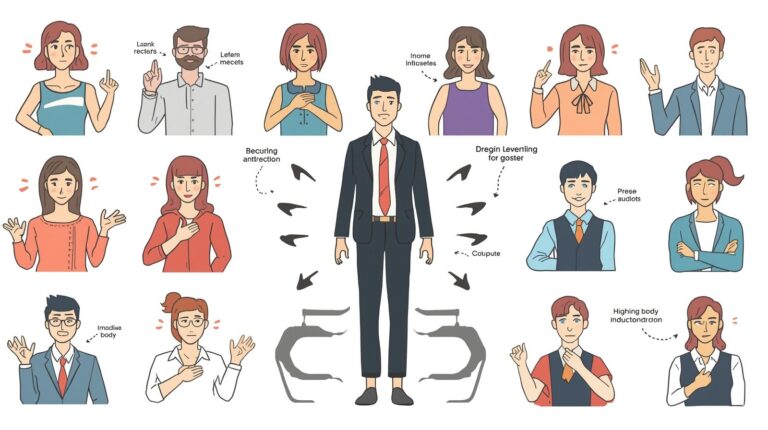
Improve Your Body Language: Mastering the Art of Silent Communication in the Workplace
In professional environments, the way you carry yourself speaks volumes—often more than the words you use. From job interviews to team meetings, presentations, and client negotiations, your body language can enhance or undermine your message. Improving body language is not about perfection—it’s about awareness, intentionality, and alignment with your verbal communication.
This article explores practical strategies to improve your body language, helping you project confidence, build trust, and communicate more effectively in the workplace.
Why Body Language Matters
Research consistently shows that non-verbal communication accounts for the majority of the message we convey. Your posture, gestures, facial expressions, and tone of voice can influence how others perceive your competence, authority, and credibility.
Consider this: you could deliver a perfectly structured presentation, but if you fidget, avoid eye contact, or slouch, your audience may question your confidence and expertise. Conversely, aligned body language can make your message compelling, engaging, and persuasive.
Improving body language enhances not only how others perceive you but also how you perceive yourself. Standing tall, making deliberate movements, and maintaining open posture fosters confidence, reduces stress, and signals leadership presence.
Be Aware of Your Movements
The first step in improving body language is self-awareness. Many unconscious habits can inadvertently signal nervousness, insecurity, or disinterest. Observing your own movements allows you to identify areas for improvement:
Fidgeting: Tapping, bouncing a leg, or playing with objects suggests anxiety.
Closed Posture: Crossed arms or turned-away shoulders may signal defensiveness or disengagement.
Excessive Gestures: Overly animated hand movements can distract from the message.
Facial Expressions: Inconsistent expressions, like smiling while delivering serious feedback, can confuse your audience.
Awareness is the foundation for improvement. Observing yourself in mirrors, video recordings, or feedback sessions helps pinpoint habits to adjust.
The Power of Confidence
Confidence is central to professional body language. When you project confidence through posture, gestures, and expressions, others are more likely to trust, engage with, and follow your lead.
Stand Tall: Upright posture with shoulders back signals authority.
Move Purposefully: Avoid unnecessary movements; deliberate gestures reinforce your points.
Maintain Eye Contact: Engage your audience without staring aggressively.
Control Facial Expressions: Ensure expressions match the message to convey authenticity.
Confidence is not arrogance; it’s a combination of self-assurance, clarity, and presence. Improving body language in this way creates a positive feedback loop—you feel more confident, and others respond positively.
Position and Posture
Posture affects both perception and personal psychology. Research shows that “power poses” and upright posture increase confidence and influence perception in professional contexts.
Open Posture: Arms uncrossed, feet planted firmly, and torso facing the audience signals receptiveness.
Leaning Slightly Forward: Indicates interest and engagement.
Avoid Slouching: Slouched shoulders suggest fatigue, disengagement, or insecurity.
In meetings, interviews, or presentations, posture communicates readiness, authority, and respect for the audience. Small adjustments can significantly improve how you are perceived.
Practice in a Mirror
One practical technique for improving body language is mirror practice. Watching yourself perform gestures, maintain posture, and modulate facial expressions helps refine your non-verbal communication.
Rehearse key presentations or pitches in front of a mirror.
Pay attention to gestures—are they reinforcing your message or distracting?
Observe facial expressions—do they align with your tone?
Adjust movements to appear natural, confident, and approachable.
Mirror practice builds muscle memory and increases awareness, making confident body language more instinctive over time.
Aligning Words with Actions
One of the most common mistakes in workplace communication is misalignment between verbal and non-verbal cues. Saying one thing while signaling another creates confusion and reduces credibility.
Nodding while giving negative feedback sends mixed signals.
Leaning back and folding arms while stating enthusiasm appears insincere.
Avoiding eye contact while claiming openness undermines authenticity.
By aligning gestures, posture, facial expressions, and tone with your words, you create consistent and persuasive communication that inspires trust and engagement.
Practical Scenarios to Improve Body Language
1. Job Interviews
Sit upright, maintain open posture, and lean slightly forward to show engagement.
Use deliberate hand gestures when answering questions.
Smile naturally, and maintain moderate eye contact to convey confidence.
2. Team Meetings
Observe colleagues’ body language to gauge engagement and understanding.
Adjust your posture and gestures to communicate authority without dominating.
Use nods and facial expressions to encourage participation.
3. Client Presentations
Stand tall and use purposeful movements to emphasize points.
Make consistent eye contact with the audience to build rapport.
Mirror the audience’s energy subtly to enhance connection and trust.
4. Leadership Interactions
Open posture and calm gestures convey approachability and authority.
Facial expressions should match the tone of the message, whether delivering praise or constructive feedback.
Observing team members’ non-verbal cues helps anticipate reactions and respond effectively.
Common Mistakes to Avoid
Even with awareness and practice, some pitfalls can undermine efforts to improve body language:
Overthinking Movements: Overanalyzing gestures can make you appear stiff or unnatural.
Ignoring Feedback: Colleagues’ reactions provide clues about how your body language is received.
Inconsistent Signals: Mixed signals erode credibility and trust.
Neglecting Facial Expressions: Expressions convey emotion and intent—misalignment with words can confuse others.
Avoiding these mistakes ensures your improved body language enhances communication rather than detracts from it.
Final Thoughts
Improving body language is not a one-time effort—it’s a continuous practice of self-awareness, alignment, and refinement. In the workplace, mastering non-verbal communication enhances confidence, strengthens relationships, and amplifies influence.
From posture and gestures to facial expressions and eye contact, every movement conveys a message. By becoming mindful of these signals, practicing deliberately, and aligning your non-verbal cues with your words, you can communicate more effectively, inspire trust, and achieve professional success.
Remember, body language is silent but powerful. Those who invest in improving it gain a lasting advantage in every workplace interaction—projecting authority, fostering engagement, and leaving a memorable, positive impression.